| Posted March 24, 2022

“It is High Time to Make Biodiversity a Top Priority”

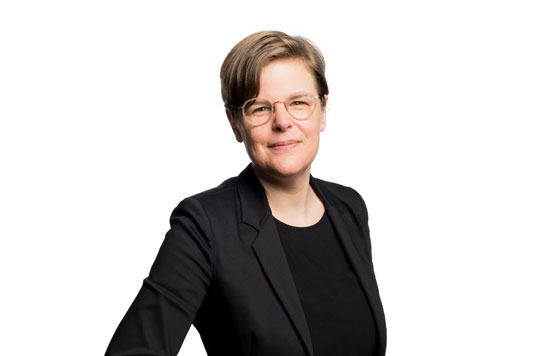
In his private life, he keeps bees to promote biodiversity. What can’t be done in the back yard, he takes to the work desk, where he engages with key stakeholders and leads collaborative processes to protect and preserve biodiversity. This is Frank Augustin, the new project manager at our Sustainable Infrastructure, Products and Services (SIPS) team. How did your journey at the CSCP start? I have always been interested in both the theoretical as well as practical underpinnings of sustainability issues. Therefore, the CSCP as a think and do tank is naturally the right place for me to be. The […]

| Posted

How the PathoCERT Communities of Practice Are Connecting Stakeholders and Enabling Innovation

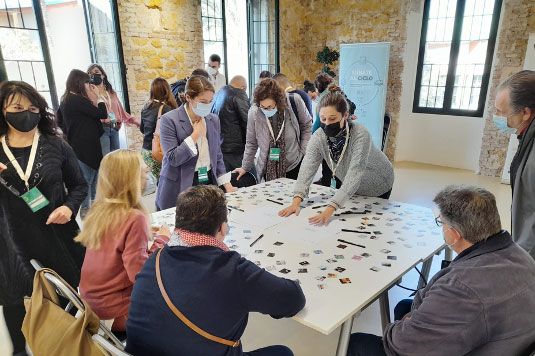
How do we enhance the operational capacities of first responders during outbreaks of waterborne diseases and how can we boost cross-country collaborations? Given the differences and complexities of existing emergency management systems, connecting key actors across and within countries is essential. Not only to guarantee a deeper understanding of challenges, needs and opportunities but also to explore the uptake of novel technologies and processes collaboratively. Through running its Communities of Practice (CoP), the PathoCERT project has concluded the second round of multi-stakeholder targeted meetings in each of the six project pilot cities: Limassol (Cyprus), Thessaloniki (Greece), Amsterdam (The Netherlands), Granada […]

| Posted

Our Packaging Club Releases Paper on Separating and Sorting Cues: Are They Effective?

Do you know which packaging belongs in which bin? What if packaging consists of different materials? Retailers and producers are increasingly using separation and sorting cues to help consumers dispose of waste correctly and ensure high-quality material recycling. In a new study conducted together with the Berlin-based Verbraucher Initiative, the CSCP tested consumer awareness regarding such information strategies. The results of the study indicate that the cues are not yet effective for complex packaging made of composite materials or multiple components. In principle, however, assistance is desired and considered helpful. “Uniform and familiar symbols with clear, colour-coded separating and garbage […]

| Posted March 22, 2022

The PSLifestyle Living Labs Ready to Kick-Off: Empowering Changemakers to Shape a Good Life for All

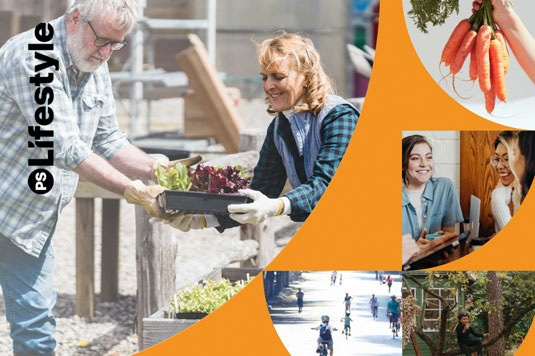
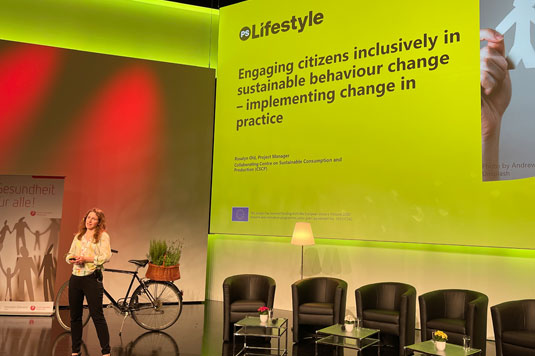
The vision of a good life connects people around the globe: a life that respects planetary boundaries by protecting the climate, preserving and protecting biodiversity, stoping air and water pollution or reducing waste. There is growing momentum as to how sustainable lifestyles can be a catalyst for aligning personal wellbeing with that of the planet. Nonetheless, citizens as well as key actors (policy makers, business, civil society, academia) all too often face gridlocks when trying to break down what a good life in harmony with nature means. This way, ambitious targets, products or services formulated by key actors mean well, […]

| Posted March 21, 2022

“My Goal is to Reduce Food Waste Significantly”

After two decades of working in marketing and communication for major brands and companies in the German and French food industry, Nicolas Barthelmé decided to change perspective. In founding his own bottom-up community movement, his focus shifted toward bringing transparency to the food market, supporting fair shares for farmers, and empowering consumers. The CSCP is his next step to enhance and upscale these efforts. His goal: to significantly reduce food waste through AI. How did you cross paths with the CSCP? The CSCP sparked my interest when I started to look for opportunities to actively engage on large-scale transformation projects, […]

| Posted

Our New Project SteamBioAfrica Kicks-Off: Turning Bush Encroachment Into Clean Energy

For the past decades, countries in Southern Africa, such as Namibia, Botswana and South Africa have suffered from unwanted bush encroachment. The invasive bush species compete with livestock for water, contribute to soil erosion, and threaten natural habitat and local savannah ecosystems. However, combating and controlling bush encroachment is costly, involving intensive manual labor. For most farmers it is an investment not worth making. In September 2021, the CSCP as part of a wider consortium of an EU-Africa industry-research partnership, launched the project SteamBioAfrica. The project aims to tackle bush encroachment but also problems related to climate change and energy […]

| Posted March 17, 2022

“Enabling Circular Electronics: Skills for Cities, Businesses and Consumers” – Watch the Discussion Now!

Each year, more electronic internet-connected devices are produced than there are humans on Earth*. Resource-wise this is a dead end. In March 2022, we discussed with stakeholders from businesses, civil society organisations (CSOs) and the research community at the European Circular Economy Stakeholder Conference how we can make circular electronics a reality. Digital networking is a great advantage, but the large number of electronic devices also poses serious ecological risks, especially in terms of resource consumption. This is why as part of the New Circular Economy Action Plan, the European Commission has announced a Circular Electronics Initiative, calling for longer […]

| Posted March 16, 2022

Environmental Sustainability and Digitalisation in SMEs – Status quo Vadis?

On the way to a sustainable society and economy, digitalisation is one of the most important means. But are small and medium-sized enterprises (SMEs) leveraging the synergies between a digital and sustainable transformation and what kind of incentives do they need to do so? Our latest study with the Öko-Institut outlines recommendations for policy approaches that would promote a twin sustainable-digital transformation. The need for a sustainable and digital transformation is rising on the political agenda both nationally and on a European level. Policymakers face the challenge that digitalisation is ecologically ambivalent, especially its indirect effects. Reliable empirical data and […]

| Posted March 15, 2022

“Healthy Working and Digital Leadership” – Don’t Miss Our CSR.digital Event on 1 April 2022!

Following the Coronavirus outbreak, working from home has become a new norm for many. Advantages counted, home office has also caused a blur in boundaries between work and private life, impacting mental health and wellbeing. This is why leaders across organisations are faced with the challenge of implementing digital leadership strategies that ensure the overall wellbeing of employees in the era of remote work. Our upcoming event, organised by CSR.digital and the NRW Digital Health Industry Network, “Healthy working and digital leadership – How we can feel good in the new world of work“, looks into challenges but also solutions. […]

| Posted

Pathways to Circular Textiles and Less Microplastic Pollution: Read the Latest ETC/CE Reports!

Textiles and plastics represent key value chains in the EU Circular Economy Action Plan. On average, textiles have the fourth highest negative life cycle impact on the environment, after food, housing and mobility. Textile washing is also responsible for the release of microplastics into our seas, land and air. A shift to a circular textile production and consumption system could reduce these negative impacts considerably. Did you know that the average textile consumption per person in Europe in 2020 amounted to over 15 kg, including clothing, home textiles, and shoes? Data from the same year suggests that textile consumption was […]